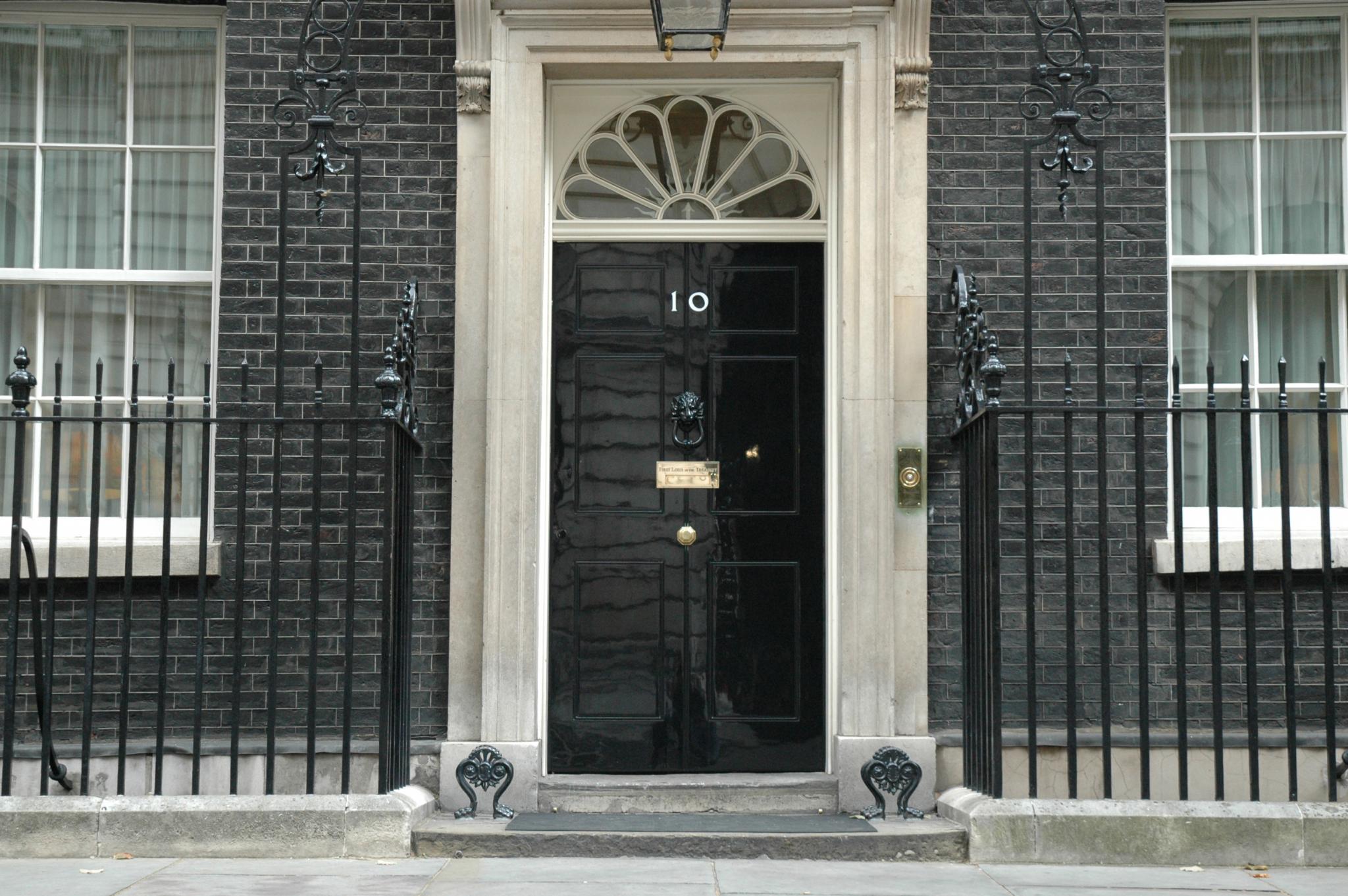
In September 2016, members of the Conservative Party were preparing to choose the UK’s second female Prime Minister. Two candidates emerged at the forefront of the conversation: Theresa May and Andrea Leadsom.
Their political positions and policy priorities were widely discussed, but from a communication perspective, the more interesting question was this:
How effectively did each candidate communicate their vision during a moment of national uncertainty?
At a time when the country was seeking clarity, reassurance and direction, the ability to articulate a compelling message mattered enormously.
A Nation Searching for Clarity
The Brexit referendum had left many people feeling uncertain. Conflicting messages during the campaign created confusion, and trust in political communication had been noticeably strained.
In moments like these, the spoken word becomes even more important.
People look for:
– clarity
– confidence
– emotional steadiness
– and a sense of direction
This is where public speaking and leadership intersect.
Judging the Message, Not the Politics
My reflections here focus solely on communication, not policy, ideology or political preference.
As a public speaking coach, I’m interested in how leaders:
– express their ideas
– connect with their audience
– convey conviction
– and inspire confidence
With that lens in mind, I watched both candidates’ campaign speeches.
Theresa May: Professional but Muted
Theresa May is an experienced and capable speaker. However, in this particular campaign speech, her delivery felt restrained.
It was:
– professional
– measured
– controlled
Despite that, it lacked the energy and emotional lift that such a pivotal moment demanded. The speech felt more like a routine update than a rallying call during a period of national transition.
Her message was clear, but the delivery didn’t fully match the weight of the moment.
Andrea Leadsom: Conversational and Engaged
Andrea Leadsom’s speech had a different tone.
Her delivery was more conversational, more animated, and more visibly engaged.
She made a clear effort to connect with her audience, and her style carried more warmth and personality. However, while her delivery had more colour, it still lacked the depth and gravitas needed to sustain attention for more than a few minutes.
The Communication Question
When assessing the two speeches purely through the lens of public speaking, a question emerges:
Did either candidate demonstrate the level of presence, imagination and vocal leadership needed to guide a country through uncertainty?
Both speakers had strengths and limitations, but neither delivered a speech that truly captured the significance of the occasion.
Why This Matters
Leadership involves not only policy but also communication.
In times of uncertainty, people turn to leaders for:
– reassurance
– clarity
– confidence
– direction
The spoken word becomes a tool of stability, that’s why oratory, tone and presence matter.
Every leader, political or otherwise, benefits from learning how to speak with clarity, confidence and connection.
If this reflection has prompted you to think about your own communication style, you may find value in exploring our presentation training and presentation coaching pages to see how we may be able to help you. You will also find a great deal of really helpful ‘free’ information in our Learning Centre.
Image courtesy of: Flickr.com

Leave a comment
You must be logged in to post a comment.