
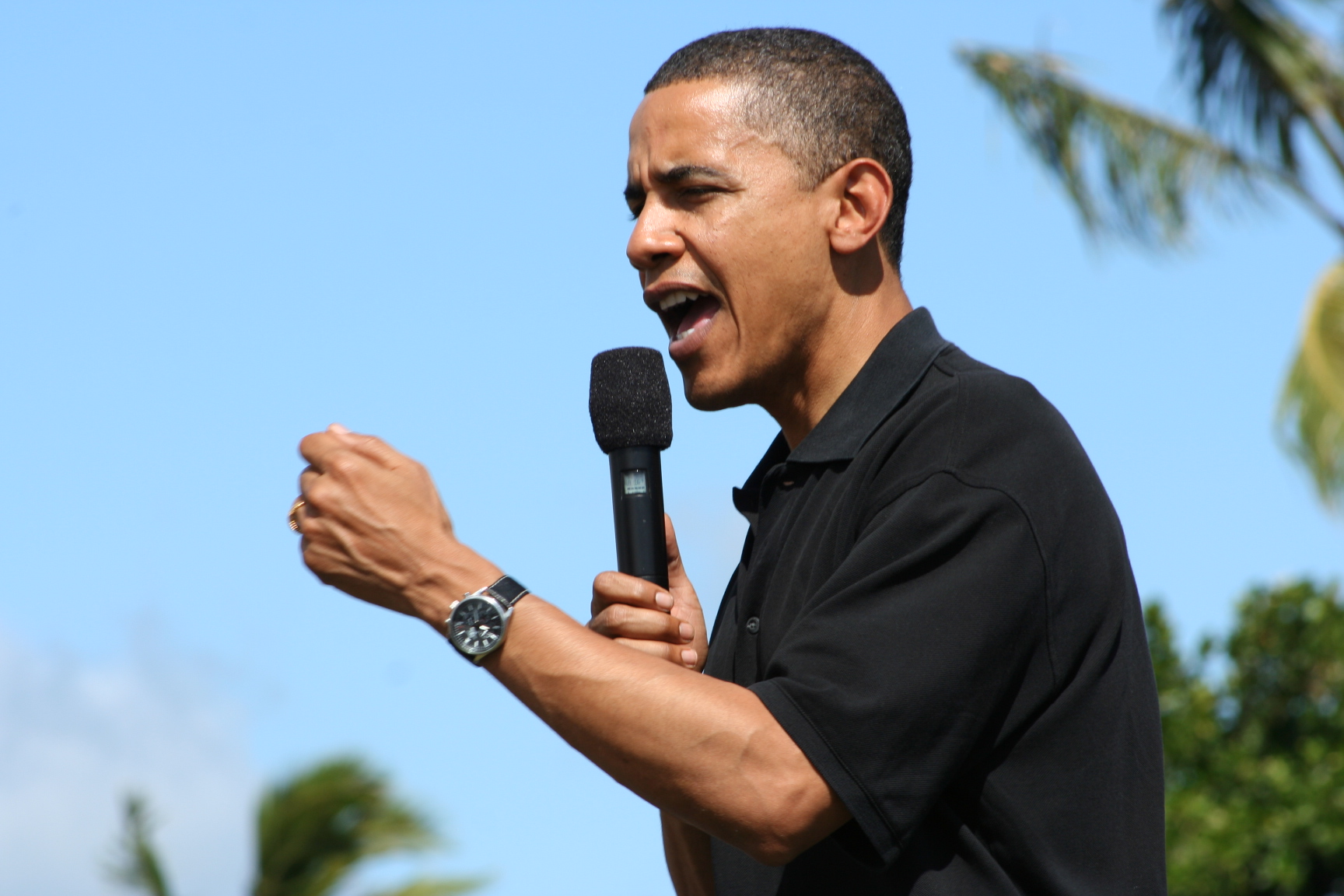
For years, I’ve written about the craft of public speaking, and one figure appears again and again in that conversation: President Barack Obama. His command of language, his mastery of the pause, his instinct for metaphor, his use of humour, repetition, voice and gesture. These are hallmarks of a communicator who understands not just how to speak, but how to reach people.
Politics aside, many observers regard him as one of the most skilled public speakers of his era. His farewell address offered yet another demonstration of why his communication style has been studied so closely.
“It’s good to be home.” — The Power of a Safe Beginning
When a national leader opens a major address with the words “It’s good to be home,” something subtle but important happens: the room exhales. The audience feels grounded. They sense warmth, familiarity, and safety.
He then shifts the spotlight away from himself and toward the people listening:
“Every day, I learned from you. You made me a better President, and you made me a better man.”
It’s a reminder that the beginning of any speech isn’t about information, it’s about reassurance. Before an audience can absorb your message, they need to feel at ease.
“I’m just like you.” — The Fastest Route to Connection
At a time when millions search for purpose, he offered a simple, human admission:
“I was still trying to figure out who I was; still searching for a purpose in my life.”
Few lines connect more quickly with an audience than a moment of shared humanity. It dissolves distance. It says: I’m not above you. I’m with you.
The Smile That Speaks Before the Speech
Before a single word is spoken, he walks onto the stage with a broad, unguarded smile. For nearly a minute, the smile does the work.
Smiling is contagious. It softens the room. It signals openness. At Mindful Presenter, we often remind professionals that being “serious” doesn’t require being stern. A smile is one of the simplest tools for connection, and one of the most overlooked.
Humour as a Bridge
He doesn’t rely on the smile alone. Before the audience even settles, he lightens the atmosphere:
“You can tell that I’m a lame duck, because nobody is following instructions.”
A touch of humour, used sparingly and appropriately, lowers defences, warms the room and builds rapport. It’s not about being funny; it’s about being human.
Repetition: Rhythm as Rhetoric
One of the most effective ways to make a message memorable is through rhythmic repetition. He uses it with precision:
“If I had told you eight years ago…”
“If I had told you…”
“If I had told you…”
Each repetition builds momentum. Each phrase reinforces the last. Repetition isn’t filler; it’s architecture that gives the message shape, cadence, and impact.
Facts That Anchor Emotion
Great speakers balance emotion with substance. Alongside the storytelling and connection, he offers clear, concrete facts:
– Unemployment near a ten-year low
– The uninsured rate is at a historic low
– Slower growth in healthcare costs
– Reduced dependence on foreign oil
– Growth in renewable energy
Audiences may enjoy humour and narrative, but they also look for substance. Effective speakers give them both.
Descriptive Language That Paints Pictures
He doesn’t rely on plain statements. He uses language that evokes imagery:
– “The rise of naked partisanship”
– “The splintering of our media”
– “Presuming a reservoir of goodness in other people”
– “That idea whispered by slaves”
This is the difference between speaking to an audience and speaking into their imagination. Descriptive language turns information into experience.
The Rule of Three — A Timeless Technique
The “rule of three” has shaped rhetoric since Aristotle. People remember ideas more easily in threes, and skilled speakers use this instinctively:
– “The wealthiest, the most powerful, the most respected…”
– “A fair, just and inclusive America…”
– “Yes, we can. Yes, we did. Yes, we can.”
Humility: The Quiet Strength of a Speaker
Humility is one of the most powerful gifts a speaker can offer:
“It has been the honour of my life to serve you… I’ll be right there with you as a citizen for all my remaining days.”
It reminds the audience that the speech is not about the speaker, it’s about the people listening.
The Eyes Have It
Beyond words, eye contact is one of the most commanding tools a speaker possesses. It conveys confidence, sincerity and presence. Watch the address, and you’ll see how deliberately he uses his gaze to draw the audience in.
The Pause: Silence as a Tool
Years ago, I wrote about his mastery of the pause. It remains one of his signature strengths. A well-timed pause allows a speaker to:
- Look composed
- Breathe
- Let the message land
- Give the audience space to absorb
- Re-establish eye contact
- Speak with greater impact
Silence, used well, is not empty; it’s powerful.
A Blueprint for High‑Impact Speaking
Whether one agrees with his policies or not, many people recognise the clarity, presence and skill he brings to the craft of public speaking. His farewell address is another example of how structure, humility, rhythm and emotional intelligence can transform a speech into an experience.
For anyone aspiring to communicate with greater impact, there are few better case studies than the speeches delivered throughout his time in office, including this one.
If you’d like help with your public speaking and presentation skills
– Book yourself onto a powerful public speaking course.
– Invest in some really good one to one public speaking coaching.
– Get yourself some excellent presentation training
Image Courtesy of: Flickr.com

Leave a comment
You must be logged in to post a comment.