Mindfulness has become one of the most effective tools available to us today. Not because it is trendy, or because Silicon Valley has adopted it, but because it provides us with something we desperately lack in a noisy world: awareness.
Awareness of ourselves, our thoughts, our emotions, and the world we navigate daily.
Its rise has been remarkable. Some of the world’s largest brands now provide mindfulness training in the workplace. Schools, universities, and even prisons are adopting it, and for good reason; mindfulness alters how we think, how we feel, and how we present ourselves.
What does any of this have to do with public speaking?
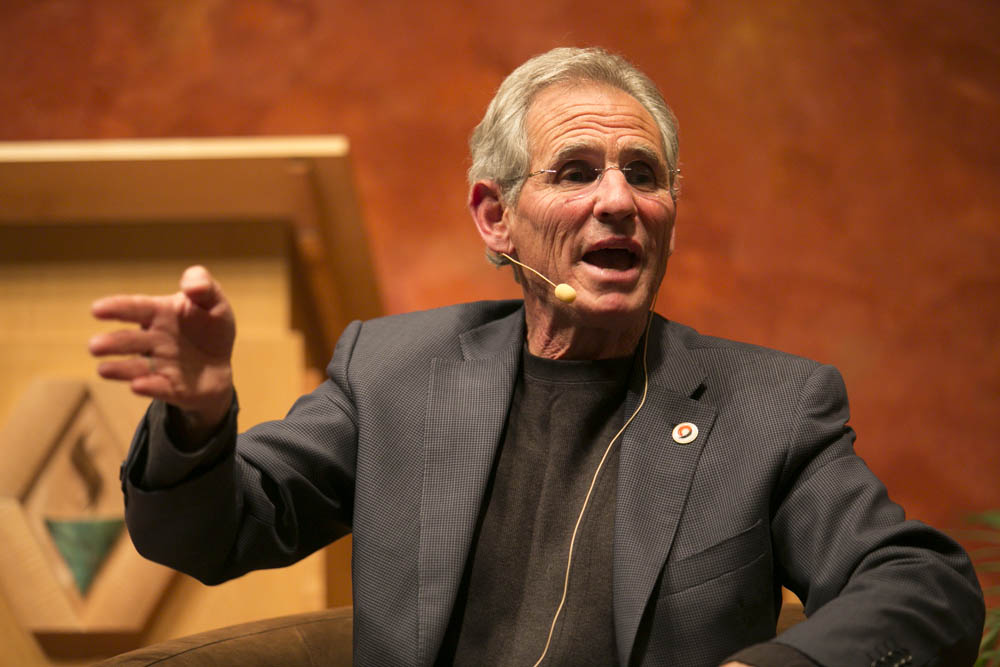
Before we go there, it’s important to understand what mindfulness truly is. Jon Kabat-Zinn, the pioneer who introduced mindfulness into medicine, describes it as “the presence of heart.” It’s not a technique or ritual, but a way of being.
If you think mindfulness requires sitting cross-legged for hours in silence, Kabat-Zinn offers a gentle correction: it’s not about becoming a statue, it’s about living your life as if it truly mattered, moment by moment. That definition alone is enough to reveal why mindfulness is so valuable to anyone who speaks in public.
It’s worth investing two minutes of your time listening to Jon Kabat-Zinn explain exactly what mindfulness is. Watch the short YouTube video here:
The Mindful Presenter Sees Themselves Differently
Many professionals operate on autopilot, thinking, acting, and reacting without noticing the internal forces driving them. Mindfulness interrupts that pattern. It gives you the ability to observe yourself —your thoughts, impulses, and emotional state, with clarity rather than judgement.
When you become aware of your own autopilot, you gain something priceless: choice.
The choice to continue as you are, or to think, feel or act differently.
This is the beginning of powerful public speaking.
You Learn to Manage Your Internal State
Anxiety doesn’t vanish because you wish it away, but mindfulness changes your relationship with it. Instead of fighting it, labelling it or persecuting yourself for feeling it, you learn to recognise it as a natural human response, and once you recognise it, you can manage it.
Mindfulness doesn’t eliminate nerves; it transforms them from an enemy into information. You understand what’s happening inside you, and that understanding gives you control.
You See Your Audience More Clearly
Mindfulness expands your awareness beyond yourself. It allows you to step into your audience’s world, to imagine how they think, how they feel, what they need and what they fear.
This shift is profound.
Instead of trying to prove how clever you are or how hard you work, your attention moves to what truly matters: how you can help them.
You stop assuming you know your audience and start discovering who they are.
You Become Grounded, Authentic and Human
Mindfulness reconnects you with your true self, the person your audience genuinely wants to hear from. Not the polished spokesperson or PowerPoint presenter, but the human being with something meaningful to share.
When you are grounded, your presence becomes magnetic.
You Pay Attention to the Moment You’re In
Mindfulness increases your awareness of the present moment. You become aware of your influence on others and notice how your words are perceived. You observe when you fall into habits that do not serve you.
You also recognise what truly matters: your values, your intention, your purpose.
This clarity clears your mind. It eases worry. It boosts compassion for yourself and others, and that compassion changes the way you speak.
You Notice What You’ve Been Missing
Most presenters, when asked to prepare, immediately open their laptops. It’s an automatic reflex, and one that shuts down creativity before it even begins.
The Mindful Presenter does the opposite. The last thing they open is their laptop, and the first thing they open is their mind. That single shift changes everything.
You Become Fully Present
To speak effectively, you need to be present in the room—not just physically, but mentally, emotionally, and energetically. Mindfulness helps you achieve that state. It enables you to connect with your audience rather than perform for them.
Presence is not a technique. It is a way of being, and audiences feel it instantly.
Your Anxiety Softens
Even the most experienced professionals can be shaken by the thought of presenting. Some become distracted, and others even become paralysed. Mindfulness doesn’t magically erase fear, but it dissolves the unhealthy part of it. It helps you respect your nerves, understand them, and use them to connect rather than collapse.
Anxiety becomes a signal, not a threat.
You See Your Habits for What They Are
Every presenter believes they have bad habits, though many are exaggerated in their minds. Mindfulness gives you the ability to examine them honestly, to see what’s real, what’s imagined and what can be changed.
Self-awareness is the beginning of self-correction.
Where Do You Begin?
Mindfulness is simple but not easy. It demands commitment, curiosity, and regular practice. Even a brief daily meditation, lasting just ten minutes, can start to change your awareness in powerful ways. Sitting quietly, breathing intentionally, observing your thoughts without judgment, and tuning into your body—these small acts form the foundation of mindful presence.
There are countless books, classes and techniques available, but the real challenge is not finding one; it’s committing to one.
Mindfulness Is the Future of High-Impact Public Speaking
The best way to understand mindfulness is to experience it. The moment you begin, you step into a deeper level of self-awareness, one that transforms not just how you speak, but how you lead, how you listen and how you live.
Mindfulness doesn’t make you a different person; it helps you become the person you were meant to be in the room.
If you would like to learn how to use mindfulness in public speaking:
– Book yourself onto a powerful public speaking course.
– Invest in some really good one to one public speaking coaching.
– Get yourself some excellent presentation training
Image Courtesy of: Flickr.com

Leave a comment
You must be logged in to post a comment.