
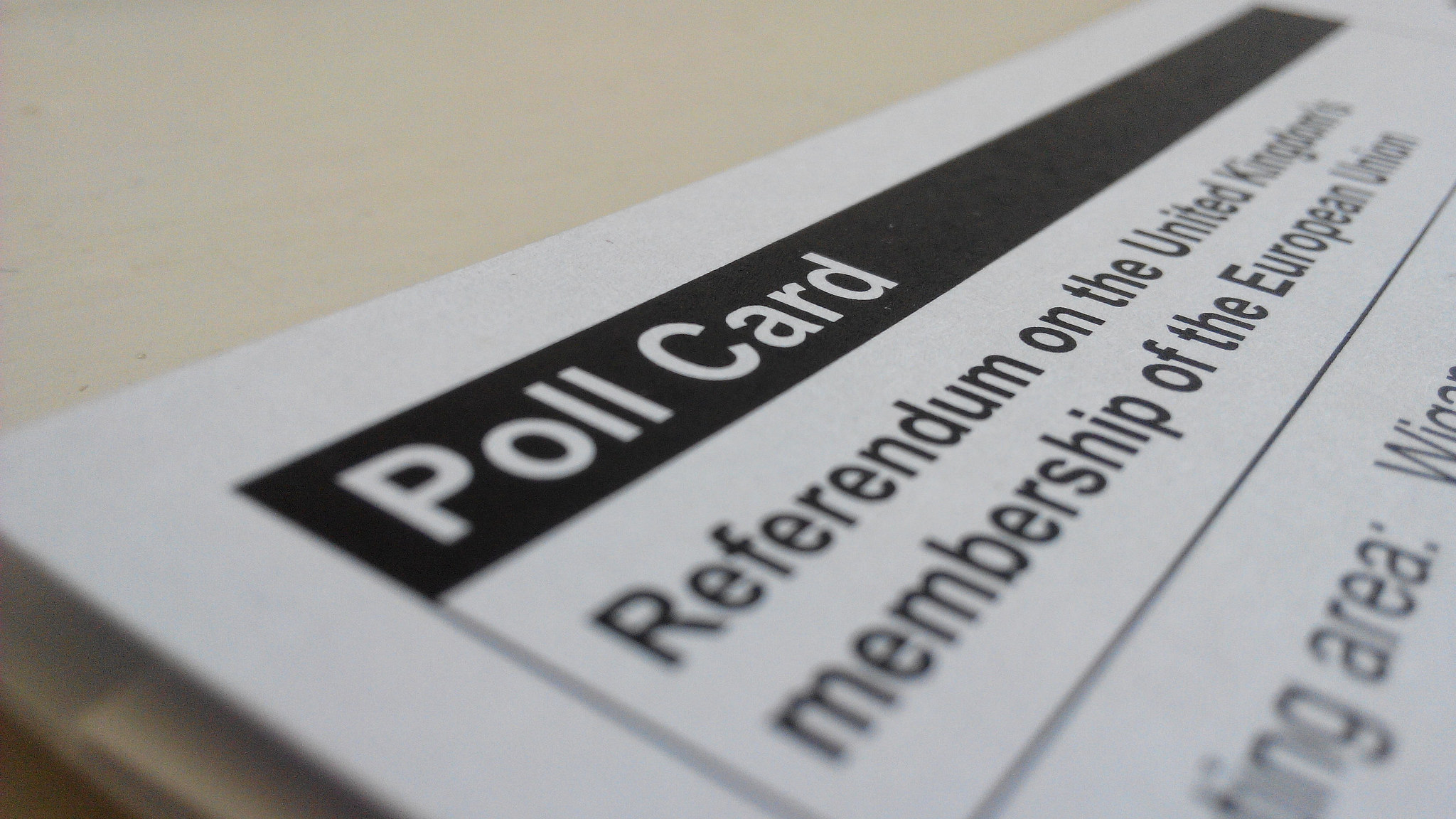
On the morning after the EU referendum, I woke earlier than usual to hear the result.
Even before all the votes were counted, it was clear that the UK had chosen to leave the European Union after more than four decades of membership.
I’ve never claimed to be politically knowledgeable, but as a public speaking coach, one thing stood out to me long before the result was announced:
The side with the clearer, simpler, more emotionally resonant message was always more likely to win.
This isn’t about politics, it’s about communication.
The Power of a Clear Message
At Mindful Presenter, we spend our days helping professionals communicate with confidence, clarity and emotional connection. Many people struggle because they’ve been conditioned to rely on bullet points rather than meaning, but even beyond delivery, there is something more fundamental:
If your message isn’t clear, concise and conclusive, no amount of passion will make it persuasive.
The EU referendum offered a striking example of this principle.
What I Heard from the “Remain” Campaign
Everyone will have interpreted the campaign differently, but here is what I personally heard from the “remain” side:
– The economic benefits of staying in the EU
– The potential financial risks of leaving
– Concerns about living standards
– Reassurances about safety and stability
In essence, the message centred on the idea of Britain being stronger, richer and safer within the EU.
It was logical, protective and reasonable, but for many people already feeling financially stretched or uncertain, it may not have felt emotionally compelling enough.
What I Heard from the “Leave” Campaign
From a messaging perspective, the “leave” campaign focused on two themes that resonate deeply with many people:
– control over immigration
– funding for the NHS
These are issues that touch on identity, security and public wellbeing; subjects that naturally evoke strong emotional responses.
Whether or not the claims were debated or disputed, the messaging itself was:
- simple
- direct
- emotionally charged
- easy to repeat
In communication, simplicity combined with emotional relevance is a powerful force.
Emotion vs. Logic: A Communication Truth
We all want financial security, stability and safety, but reminding people of what they might lose rarely inspires action on its own. Offering something people deeply care about or believe needs protecting often has a far greater emotional pull.
This is not a political judgement; it’s a communication principle:
Messages that connect emotionally as well as intellectually are far more likely to influence behaviour.
Why the Message Matters More Than the Moment
Many will argue that the referendum was far more complex than a pair of campaign messages, and they would be right, but from a communication standpoint, what millions of people heard may have made all the difference.
In times of uncertainty, people gravitate toward messages that feel:
- clear
- simple
- relevant
- emotionally resonant
That’s why message design is so critical in any attempt to influence change.
A Lesson for Every Presenter
Politics aside, the referendum highlighted a universal truth we teach in every presentation training workshop:
Clarity wins.
Emotion connects.
Simplicity sticks.
If your message doesn’t speak to both the head and the heart, it will struggle to move people.
If you’d like help developing your public speaking and presentation skills:
– Book them onto a powerful public speaking course.
– Invest in some really good one-to-one public speaking coaching.
– Get them some excellent presentation training
Image courtesy of Canva.com

Leave a comment
You must be logged in to post a comment.