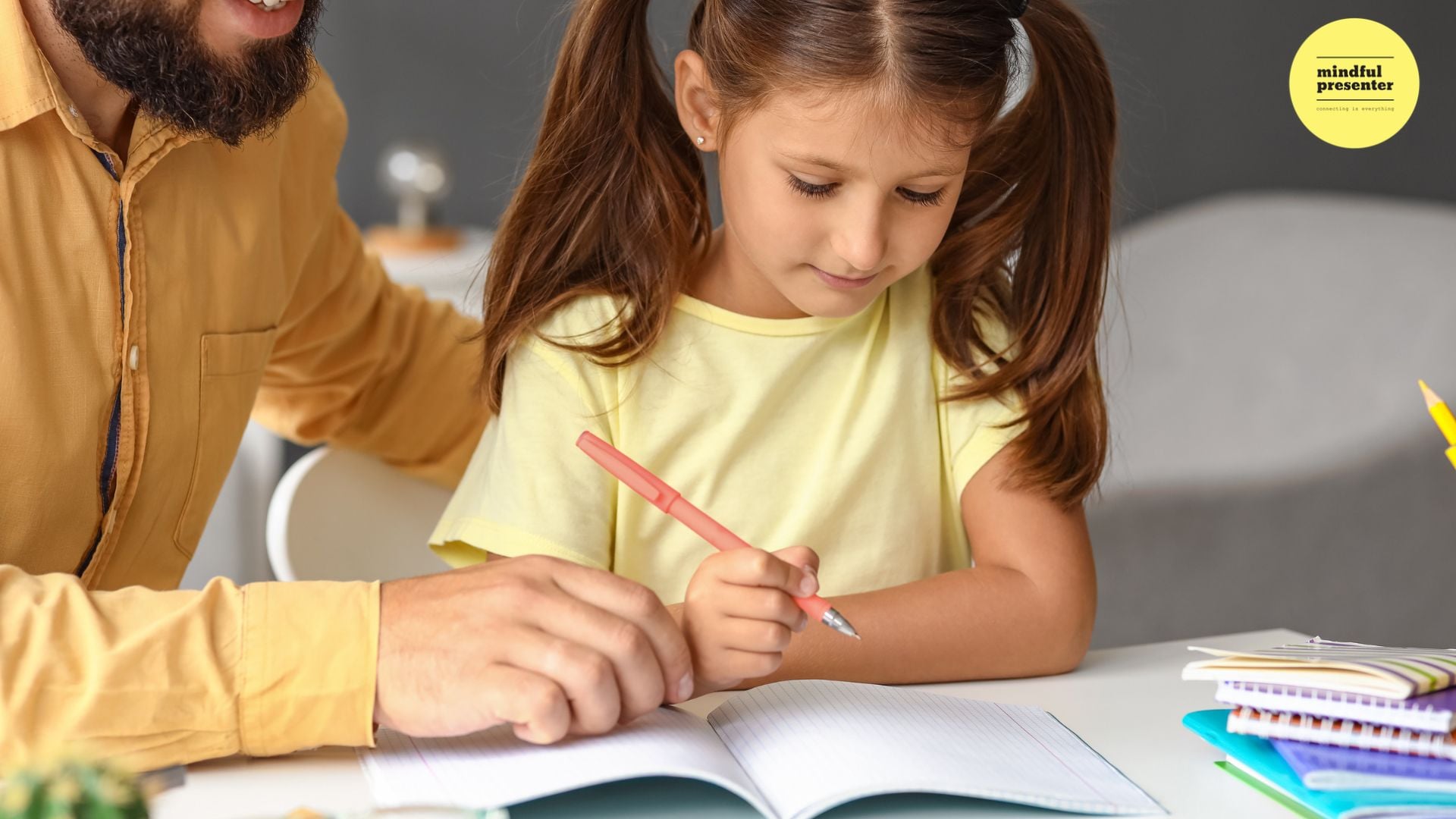
Somewhere tonight, at a kitchen table, a parent will be helping a child practise their times tables. The exercise book will be open, the pencil a little chewed, and each answer checked one by one. When it goes well, there’ll be a tick, a smile, and a little relief all round. Many of us have sat on both sides of that table. It feels so familiar, and it’s easy to see why, since it’s exactly what our parents did with us.
Beneath it is a story many of us heard early in life: know a little more than the next person, and you’ll get ahead. Learn as much as you can, get good grades, build your expertise, work hard, and the world will reward you with status and respect. That story is still largely true, and I’d never tell anyone to stop learning, but I’ve started to wonder if it’s still enough, because something is changing beneath the surface, and many of us may not have been prepared for it.
When knowledge becomes less rare
Think about how you’d have found something out forty years ago. You’d ask someone who knew, hunt for the right book, or book an appointment with an expert and wait. Knowledge took effort to get hold of, and the people who had it were valuable precisely because of that.
Now compare that with how you found something out this week. You may have typed in a question and received an answer, often a very good one, almost instantly. Increasingly, these tools do more than find information: they can analyse it, organise it, and write it up for you.
Much of the conversation about AI focuses on what it can do: write a report, put together a presentation, or answer a question in seconds, but I think the bigger story is how it affects us. For centuries, knowing more than others gave people an advantage because knowledge was hard to come by. Now that anyone can find a good answer just as quickly, that advantage is starting to fade, and something else will need to take its place.
Take gold
Much of gold’s value comes from the fact that there isn’t much of it. If someone found a way to make gold from dust tomorrow, it would soon be worth very little. The gold wouldn’t have changed, but everyone would be able to have it. Knowledge may be heading the same way. It hasn’t become any less useful, but it’s becoming far less rare, and when something stops being rare, it stops setting people apart.
The economist Herbert Simon saw a version of this coming more than fifty years ago. In a 1971 essay, long before the internet as we know it, the man who would later win a Nobel prize pointed out that information consumes the attention of whoever receives it, and that “a wealth of information creates a poverty of attention.” He was writing about memos and filing cabinets. He could just as easily have been describing your inbox.
When everyone looks clever
You’ve probably noticed it already. The slides in your last meeting looked better than they would have done a couple of years ago, the report arrived beautifully formatted, and everyone’s strategy sounded sophisticated. I see it in the training room too, where the decks people bring along have never looked more polished.
Now think about the last presentation that genuinely moved you, the one you still remember. I’d be surprised if you can picture a single slide. What you remember is the person: how they made you feel, whether you believed them, the moment the room went quiet.
When everyone can look clever, the question that matters changes. It stops being who knows the most, and becomes who do we trust?
What we actually follow
Think about a time when you, or someone you love, had to hear difficult news from a doctor. Afterwards, you probably couldn’t remember much of the medical detail. What stayed with you was whether they looked you in the eye, whether they rushed, and whether you walked out feeling that someone was on your side. The information mattered, of course, but how it was delivered decided whether you could take it in, and whether you trusted the person giving it to you.
Or remember the best manager you’ve ever had and how they responded when things went wrong. They probably didn’t settle everyone down with more data. Instead, they stood up, told the truth, and somehow helped the whole room breathe a little easier.
In moments like these, people share confidence, calm, belief and meaning: things no spreadsheet or perfectly written AI summary can truly capture. Yet so many conversations about the future focus on what AI will learn to do, and so few on what we will need to become.
Presence: the skill AI can’t replace
Picture two people presenting the same plan to the same board, with the same data and equally polished slides. One leaves the room having shared information. The other leaves having changed minds. The difference between them has little to do with intelligence; it comes down to presence.
By presence, I don’t mean charisma or theatrics. I mean helping people feel grounded when things are uncertain, making complicated ideas feel clear, and bringing a quiet confidence that helps an anxious room lean in rather than switch off. In my experience, competency frameworks rarely mention it, exams don’t test it, and interviews often overlook it. Yet it’s what people remember, and what they’re most likely to follow.
In The Presenter’s Operating System™, it lives mostly in three layers: Resonance, which is understanding the people in the room well enough to build for them rather than for yourself; Centring, the return to yourself just before you speak; and Voice, the body, breath and presence that carry everything into the room. Feel free to use AI to help find the right words, but remember: it can’t connect with your audience for you.
The soft skill that was never soft
For years, we’ve thought of this as a soft skill, something valuable to have once the core expertise was in place. I believe that’s about to change. As expertise becomes easier to access, influence counts for more; as information becomes more widespread, judgement becomes more precious; and as knowledge becomes cheaper, trust becomes more valuable.
Expertise isn’t going anywhere. You’ll still want a qualified engineer designing the bridge you drive over and a trained surgeon at your bedside, but knowing your subject isn’t enough any more.
What will set people apart is what they do with what they know: turning it into conviction, making the complicated clear, and helping people through uncertainty when nobody can offer them certainty.
Five things to think about
1. If you lead people
Think about the last time you shared difficult news: a restructure, a missed target, a change nobody asked for. You probably prepared the numbers carefully and answered every question in the room. But the real conversation happened afterwards, in the kitchen, in the corridor or in a private chat, where people asked each other what you didn’t answer: “What does this mean for me?” Before your next update, write down the three questions people are most likely to ask each other once you’ve left, and answer them while you’re still in the room. Then decide how you want people to feel when you sit down, and prepare for that as carefully as you prepare the content. It takes courage to say out loud what everyone is privately wondering, but it’s often the moment a team decides whether to trust you.
2. If you develop people
Think of the brightest technical expert in your organisation, the one everyone goes to when they need an answer. Now picture them presenting that knowledge to the board, a nervous team, or a client who isn’t sure. If you’ve ever watched someone like that lose a room they should have owned, you’ve seen exactly where the value of knowledge leaks away. AI will keep making the answers easier to find. What it won’t do is help that person stand up and make people believe them, and that may be where your training budget is needed most now.
3. If you’re a parent
Keep the times tables, and keep the spelling tests too, but think about how often “What did you do at school today?” gets the answer “Nothing.” Try something different. Ask your child to teach you one thing they learned today, as if you’d never heard of it, whether it’s volcanoes, the Romans or why the sky is blue. Ask them why it matters, and let them see you’re genuinely interested. You’ll often watch them sit up, find their words and light up as you start to understand. They won’t just be remembering facts. They’ll be practising the thing that will matter more and more as they grow up: helping someone else understand and care.
4. If you use AI to prepare
You’ve probably already come across an email, report or LinkedIn post that was obviously AI-written: polished and plausible, but somehow missing a human touch. Audiences can sense the same thing in a presentation. So let AI draft, summarise and tidy up, by all means, and let it save you hours. Then, before you finish, close the laptop and tell a colleague, a friend or even the mirror, in two minutes and without your slides, what you believe and why it matters to the people you’ll be speaking to. Your audience will be silently asking whether you really believe what you’re telling them. If you struggle to explain it in your own words, the software has done your thinking for you, and you’ll want to put that right before you stand up.
5. If you’re the one standing up to speak
Stepping out from behind a polished deck and letting people see what you really think takes courage, and it’s completely understandable to find that hard. It can help to remember why you were asked: you have something helpful and valuable to share, and you’re there to support others, not to prove yourself. The reward is a moment you’ll recognise when it arrives: when the room stops reading your slides and starts listening to you.
Back to the kitchen table
Which brings me back to that kitchen table, and the child working their way through their times tables. Those evenings matter, and they always will. Times tables, spelling and facts learned by heart are the foundations everything else is built on, and no child is better off for skipping them, but picture that same child twenty years from now. They’re standing in a meeting room, or on a video call, about to share an idea they truly believe in with people who aren’t convinced yet. Every fact they need will be a few seconds away, for them and for everyone else in the room. What will make the difference that day is whether they can help those people understand, care and trust them enough to act.
The good news is that we can prepare them for both
The same kitchen table that teaches them seven times eight can teach them to explain, listen and speak up with confidence. Every time we ask what they think and genuinely listen to the answer, we’re preparing them for that room. It isn’t too late for the rest of us either, because the same is true for everyone who will stand up and speak next week.
So perhaps the real question isn’t whether AI will replace us. It’s whether we’ll keep preparing people only for a world where knowledge was scarce, when it’s fast becoming abundant. I don’t think we’re watching the rise of the machine so much as the return of the human.
What we know will always matter, but in the years ahead, what may matter even more is who we become, and how we show up for other people, when the answers are available to everyone.
If this made you think, please pass it on. You might send it to a parent wondering what really prepares a child for the future, to a leader about to stand up in front of an anxious team, or to whoever shapes learning and development in your organisation. The conversation about what AI can do is everywhere. The one about who we need to become deserves to be heard just as widely.
How we can help
If you’d like help building the kind of presence that makes a room lean in, we’d love to hear from you.
– Public speaking courses in London
